Type: Journal Article Reference: Petrohilos, C., Patchett, A., Hogg, C.J. et al. Tasmanian devil cathelicidins exhibit anticancer activity against Devil Facial Tumour Disease (DFTD) cells. Science Report 13, 12698 (2023). doi: 10.1038/s41598-023-39901-0 Abstract The Tasmanian devil (Sarcophilus harrisii) is endangered due to the spread of Devil Facial Tumour Disease (DFTD), Continue Reading
admin
The genome sequence of the critically endangered Kroombit tinkerfrog
Type: Journal Article Reference: Farquharson, K., McLennan, E., Belov, K., & Hogg, C. (2023). The genome sequence of the critically endangered Kroombit tinkerfrog (Taudactylus pleione). F1000Research, 12(845). https://doi.org/10.12688/f1000research.138571.1 Abstract The Kroombit tinkerfrog (Taudactylus pleione) is a stream-dwelling amphibian of the Myobatrachidae family. It is listed as Critically Endangered and is Continue Reading
Koalas and Chlamydia: How can genomics help?
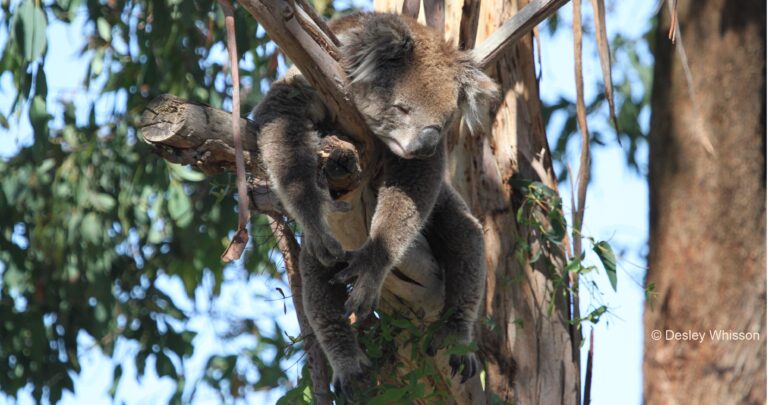
by Luke Silver (PhD Student) The mention of a koala infected with Chlamydia will often be met with rounds of laughter or even concern, “can I get Chlamydia from touching a koala?” For koalas, Chlamydia is no laughing matter with up to 100% of individuals in some populations infected with Continue Reading
Adaptive Genetic Management of a Reintroduction Program from Captive Breeding to Metapopulation Management of an Arboreal Marsupial
Type: Journal article Reference: Pierson, J. C., Berry, L., Alexander, L., Anson, J., Birkett, M., Kemp, L., Pascoe, B. A., Farquharson, K. A., & Hogg, C. J. (2023). Adaptive Genetic Management of a Reintroduction Program from Captive Breeding to Metapopulation Management of an Arboreal Marsupial. Diversity, 15(7), 848. https://www.mdpi.com/1424-2818/15/7/848 Abstract Continue Reading
ABC Radio: The race to save Australia’s dirty frogs
Simon Tang (2022 Honours Student) joined producer Shelby Traynor (ABC Radio) and Dr Jodi Rowley (Curator of Amphibian & Reptile Conservation Biology at the Australian Museum and UNSW) to talk about the pathogen-fighting peptides of frogs. Listen to the full broadcast here: https://www.abc.net.au/radionational/programs/scienceshow/the-race-to-save-australia-s-dirty-frogs/102529160
Making bioinformatics more accessible
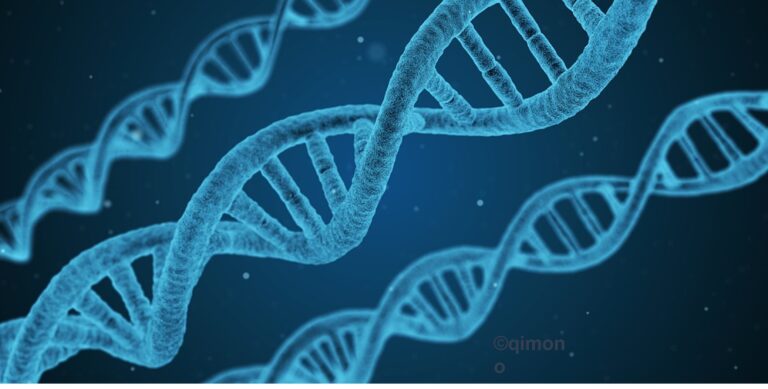
by Dr. Kate Farquharson (Post-doc) In the AWGG lab, we are generating genomic resources for diverse Australian vertebrates, including birds, marsupials, amphibians and reptiles. However, following bioinformatics instructions can sometimes feel a bit like this: And for non-model organisms, it can feel like being asked to draw an owl when Continue Reading
My Favorite Culture Shock: Australia’s Wildlife

by Meadhbh Molloy (PhD Student) I remember when I learned about the Tasmanian devil and DFTD in my Conservation Medicine textbook as a new master’s student in Virginia, USA. Since I was a child, I loved learning about different animals from all over the world but admittedly, I did know Continue Reading
What my PhD has taught me: Turtles are awesome
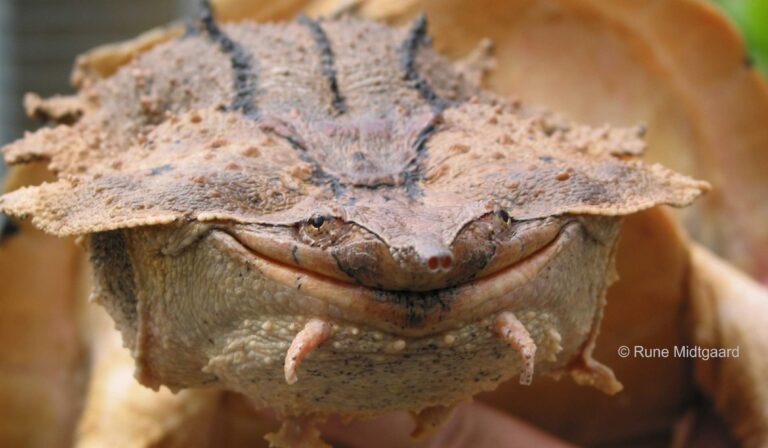
by Holly Nelson (PhD Student) So, you probably think Tasmanian Devils are adorable and Koalas are super cute. Well, let me tell you about turtles and four quick reasons why they’re awesome. 1. Free rent: Imagine having a portable, self-contained home acquired at birth, the Sydney housing market would be Continue Reading
Diversity in the Dark: the hidden wonders of subterranean life
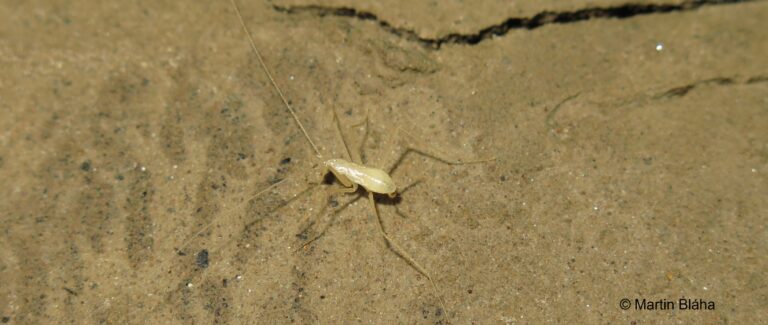
by Toby Kovacs (PhD Student) Australia is famous for its unique flora and fauna, harbouring some of the most unique and highly endemic groups of organisms. When I’m sitting around with my family discussing Australian biodiversity, often the first places we think of are the rainforests, the Great Barrier Reef Continue Reading
Genomes of two Extinct-in-the-Wild reptiles from Christmas Island reveal distinct evolutionary histories and conservation insights
Type: Journal Article Reference: Dodge, T. O., Farquharson, K. A., Ford, C., Cavanagh, L., Schubert, K., Schumer, M., Belov, K, & Hogg, C. J. (2022). Genomes of two Extinct‐in‐the‐Wild reptiles from Christmas Island reveal distinct evolutionary histories and conservation insights. Molecular Ecology Resources. doi:10.1111/1755-0998.13780 Abstract Genomics can play important roles Continue Reading